

Walking On Ice
Life lessons from four winters in Sweden.

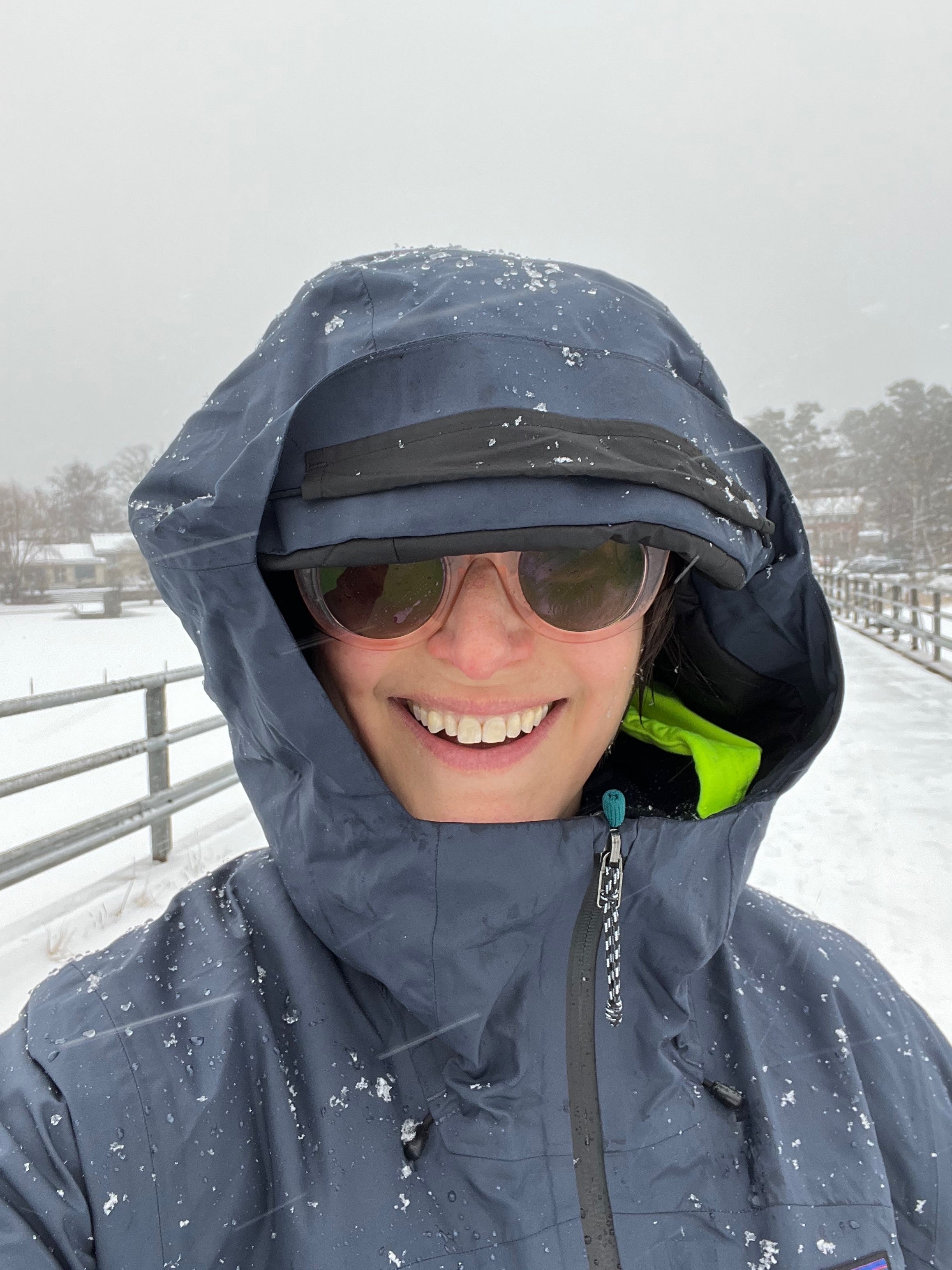
I hope everyone has power and is warm and cozy and safe in the storm this weekend! I am very nostalgic about major NYC snow days. When the city gets eerily silent and calm, blissfully empty of cars with lots of people, dogs and kids playing in the snow in the sparkling white streets and in the parks on sleds. The gleeful camaraderie, everyone in it together. In Sweden it has been snowing hard all weekend and it is business as usual. Snow and ice are a major part of Swedish winter. It’s everywhere all the time. Most bodies of water, along with all the streets, sidewalks, driveways and walking paths, tend to freeze over during the late winter months. During my first winter in Sweden I realized I didn’t even know how to walk on almost any surface I suddenly found myself navigating. I wiped out several times, luckily without any major injuries. With temperatures plunging this week from east Texas to the east end of Long Island, I thought I would share some of the tips I have learned for surviving winter close to the Arctic circle.
Slow down.
At the start of every winter walk, I begin with my mantra, do not fall down, do not fall down. I realize that slipping, falling down and breaking a bone or peeing one’s pants, is a decidedly 50+ female thing to worry about. To say it is one of my biggest fears living here in Sweden is both a privilege and the bane of my cold-weather existence. The New Yorker in me likes to walk, and walk fast, confidently and impatiently striding as quickly as my 26” inseam legs will carry me. This is absolutely how you will find yourself flat on your ass in icy conditions. The first thing you have to do is slow down, and give yourself more time to get anywhere than it normally takes. The google maps projected walking time will be closer to reality than it usually is. I once had an exercise instructor in NYC say that if you wanted to lose ten pounds, you should simply (counterintuitively) walk more slowly everywhere. I believe she meant slowing down would lower your cortisol and stress hormones and decrease your overall inflammation levels and you would be healthier and happier, something I never managed to do while living in Brooklyn. It is something I think about often when the path becomes icy, and my first instinct is to get annoyed that I can’t walk fast.
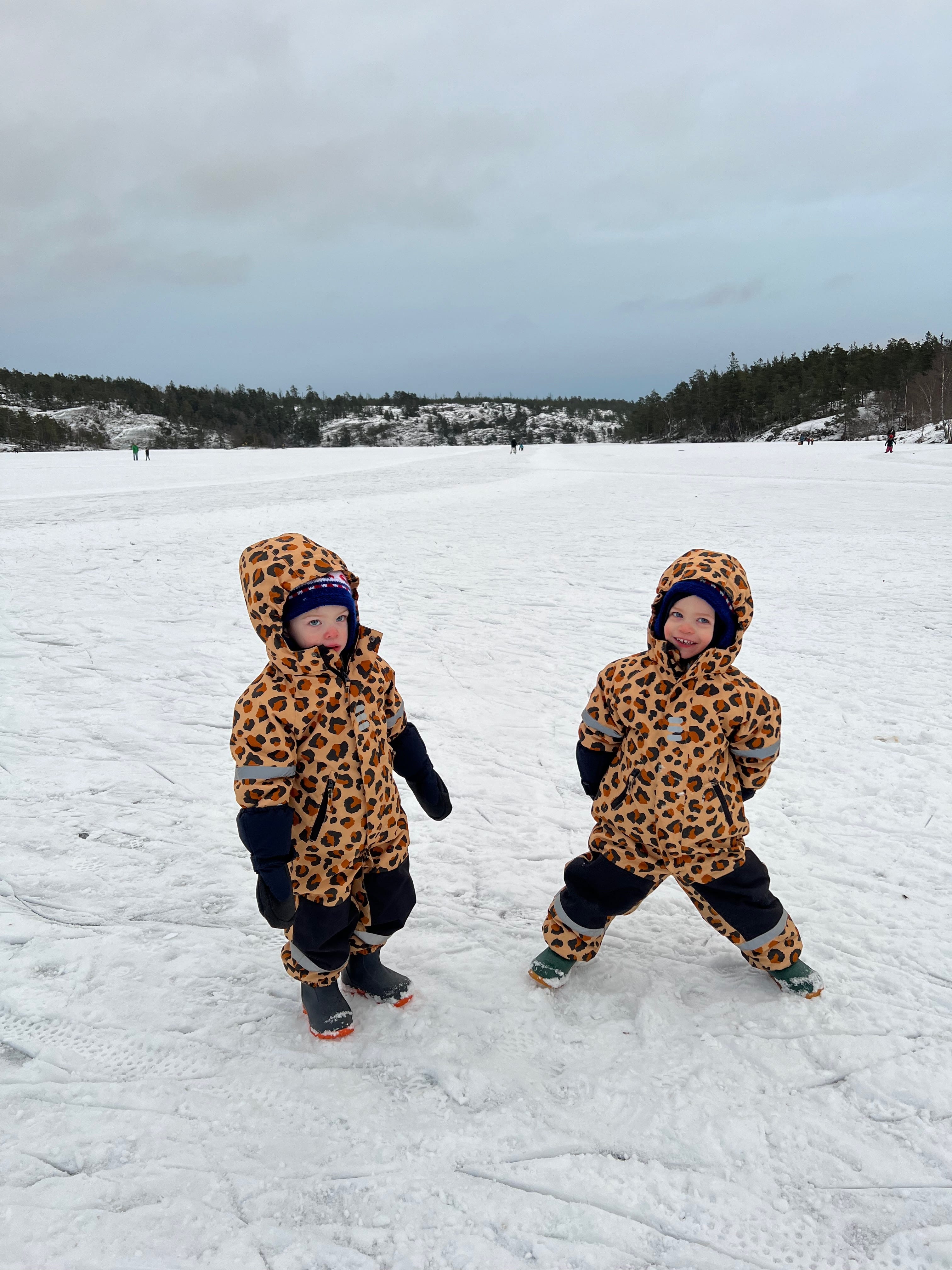
Take baby steps, keep your feet under you and keep moving.
It’s all about shortening your stride and taking many small steps and staying on your toes. It’s important to keep your knees bent and stay light on your feet so you can respond quickly if you do start to slip. I find I have to remind myself to breath and relax because I tend to tense up and get stiff which only makes matters worse. My learning how to walk on ice corresponded to my shifting careers to a field that I loved, but had no formal training in and often overwhelmed me. This advice is something I go back to often, especially when starting a new project. I also find that I need to be much more present and focused on my winter walks. You have to keep your eyes trained right in front of you and you can’t let your mind or eyes wander or you are likely to lose your footing. It is very meditative.
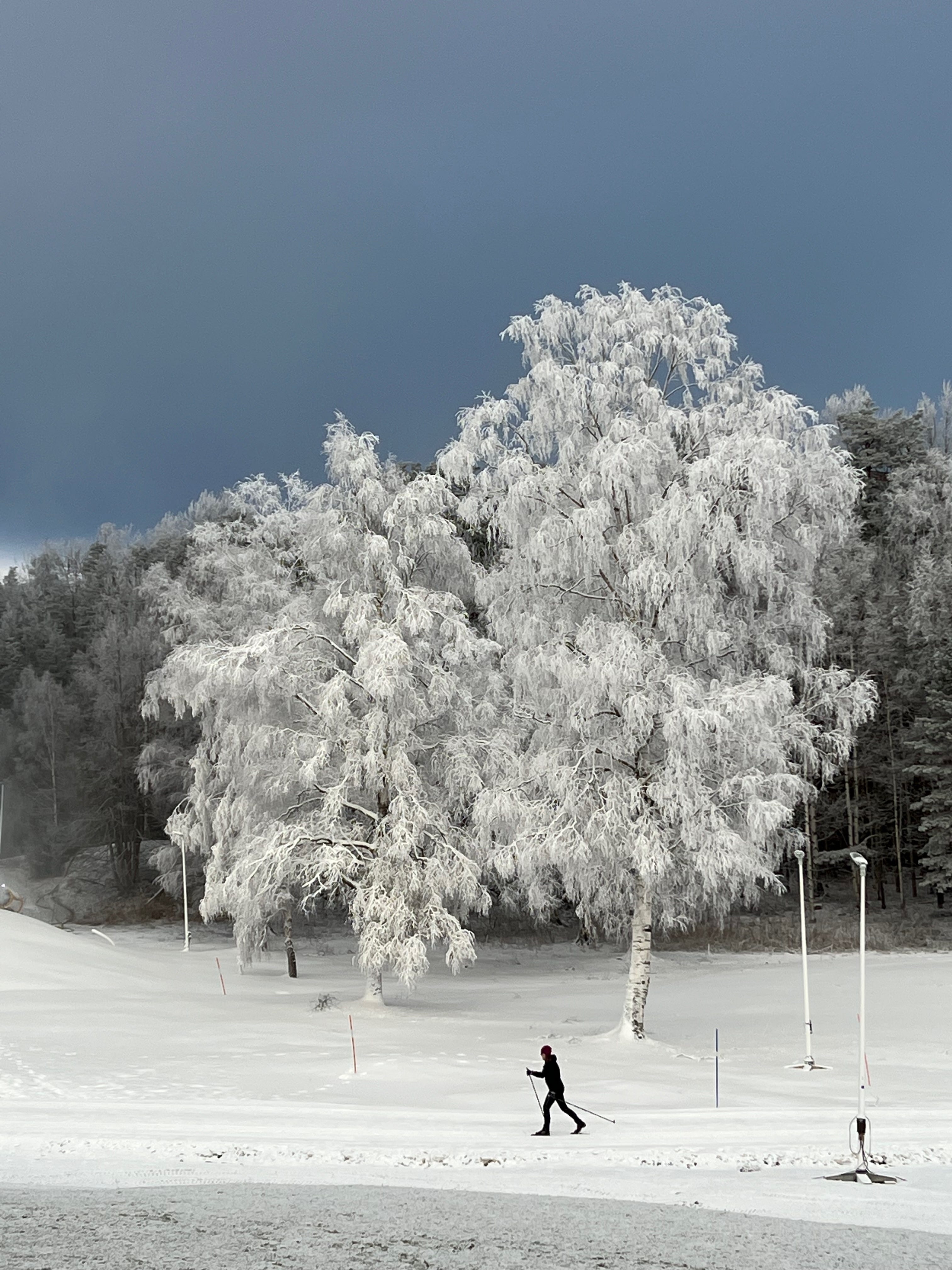
Wear spikes.
I assume you already have a pair of warm, ideally water-proof, boots with an excellent tread. But for very icy situations, only spikes will do. There is a bit of a stigma to wearing spikes on your shoes in Sweden unless you are elderly, but I say eff that. Something I have learned in this life is to accept help whenever and however it presents itself. Wearing spikes on your shoes is a very easy way to stay stable. REI has some awesome spikes you can get to put on any shoes like these from Yaktrax, but I think the ones that are integrated into the treads of running shoes and boots work better. I love the zip-front Sala boot and Järv winter running shoes from Icebug. I am also curious about the very practical seeming boots that have retractable cleats you can flip open when you need, or close when you don’t. I like the Henta boots from Canadian brand Pajar (Go Canada!) but I haven’t personally tried them yet.
Sand not salt.
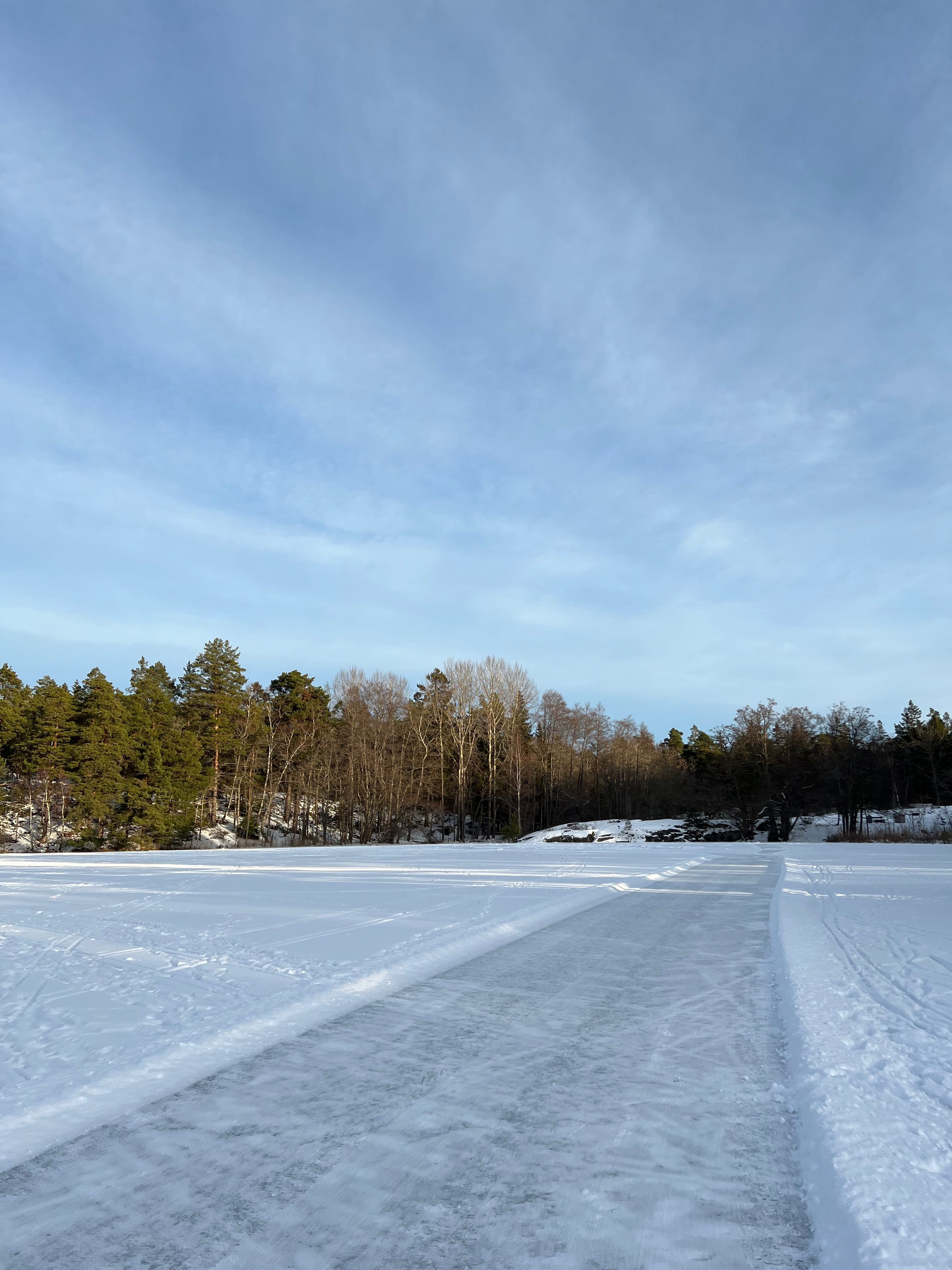
Every path and road, driveway and walkway in Sweden is sanded after they are shoveled and plowed. Except the ones on lakes meant for skating and walking like the one pictured above. There is no short term ice-melting salt solution in Sweden. It is bad for animals, both wild and domesticated, and it is bad for roads, the environment and water supplies. Salt from winter road maintenance in New York is causing such rising, long-term salinity that it is threatening to make the New Croton water reservoir, that serves NYC, undrinkable by the end of this century. Skip the salt and throw sand and gravel on your driveway and sidewalk. It works. Of course in Sweden it is also illegal to drive without winter ties from October 31-April 1 so there are way less accidents when the roads get icy. And when the snow and ice melts they have giant truck vacuums that suck up and recycle all the gravel off the roads. But they also have a word for the chip in your windshield caused by the gravel. Stenskott, stone shot. Nothing’s perfect.
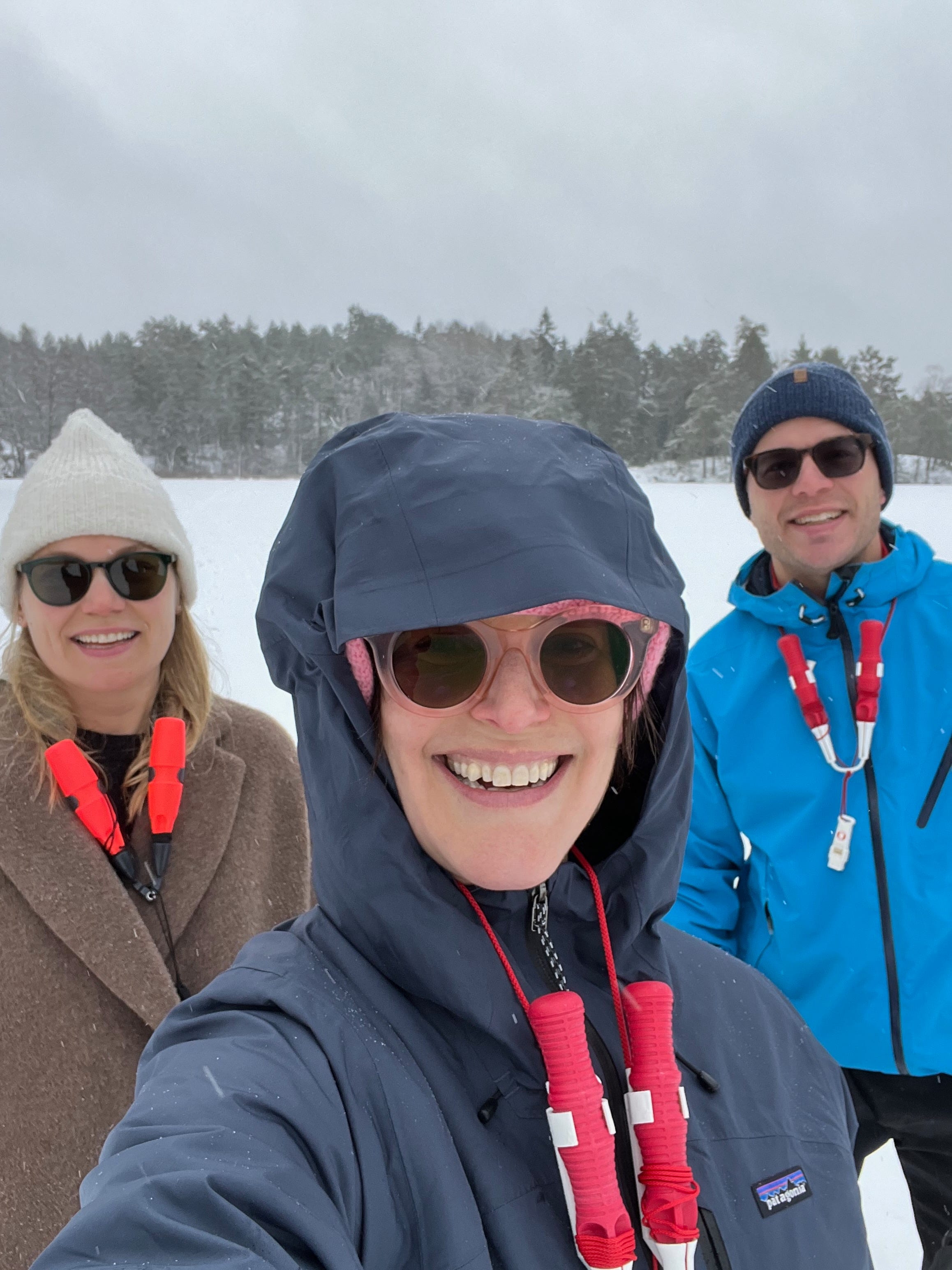
Don’t walk alone and don’t stand on the edges.
This is for the serious ice walkers and skaters. North of the wall business. Several times a week I walk in the nature reserve by our house that runs past both a lake and the Baltic sea. I often see walkers and skaters and hockey players on the water when it freezes over. One day, during my second winter, I decided to venture out on the ice. I didn’t know the safety rules to consider, it just seemed like a good idea at the time. When I decided to stray off my normal path, and actually walk out onto the ice, my first instinct was to stick close to the edge of the lake. I guess I thought if the ice started to crack I could more easily get back to solid ground. It was also just a really weird feeling to simply step off of land and onto the ice that was normally water. After a while I got more comfortable and decided to strike out to the middle of the lake. I immediately had the dizzying feeling you get when you first set out on a boat in a familiar body of water you have looked at so long from land. Your perspective literally changes 180 degrees and it’s like seeing everything you know deeply for the first time. Except now instead of on a boat, I was standing on top of the water in the middle of a giant frozen lake. It was weird. It made me giddy. I was literally laughing out loud out of nervousness and just the novelty of the feeling and the situation. Later as I was breathlessly retelling my experience, I was severely scolded by my sister-in-law and her very ice-educated husband. It turns out you are never supposed to go out on the ice alone. And the edges of the ice are where the ice is the thinnest and weakest. Same goes for any part of the water that is under an overhanging tree. So you actually cannot be timid or stick to the sides, you have to go for it and get out on the thicker more stable ice. Of course you are also supposed to use a gauge to check the thickness of the ice before you go out, and you are also supposed to wear emergency spikes around your neck in case you fall in you can haul yourself out. All good to know. As part of the Swedish middle school curriculum, kids get classes in how to walk on ice, and more importantly how to get out of the ice if you fall in. In the classes they purposefully fall in the water through a hole in the ice with their normal clothes and shoes and backpack on, and have to haul themselves out. As someone that spent middle school in east Texas and Louisiana, I only ever had the chance to occasionally ice skate at the Galleria mall when I visited my grandmother in Dallas. It feels very surreal to now live somewhere that is buried in ice and snow a better part of the year. I still get excited every time it snows, and still get the urge to bake, drink hot chocolate and go play outside. I encourage you to do the same. Just don’t fall down and break a bone. Stay safe and warm!
That’s it for today. Thanks for reading, I’m glad you are here.
Onwards!
Jen
Hi! This is amazing. Do you have a link to the kind of spikes you mention to wear around your neck?
Galleria mall ice skating rink is in Houston, no?